Our campaigns - Debra

Standing up with the EB community

Our campaigns

Everything we campaign for starts with you. Nobody understands what living with EB really takes more than the families who face it every day, and your experiences shape every change we ask of Government.

Our advocacy is built on lived experience and backed by evidence. We bring your voices into the rooms where decisions get made, and we keep showing up until those decisions turn into real support for real families.

Here is what we are working on right now, and how you can stand with us.

EB Butterfly Review

The EB Butterfly Review is our roadmap for change, and it was written by and for the EB community.

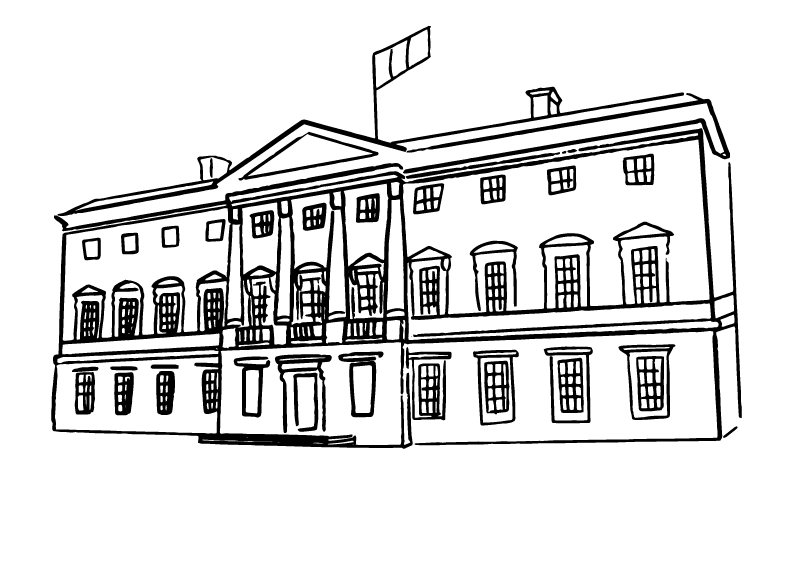
We launched it in Leinster House in October 2025, with families, clinicians and around 30 TDs and Senators in the room and lived experience at the heart of the day. Together you told us what has to change, and we shaped it into five clear asks:

  • Better coordinated community care
  • Properly resourced teams in specialist hospitals and out in the community
  • Financial relief, including a National Bandage Scheme
  • Greater education and awareness of EB
  • A smoother transition from children’s to adult services

The Review is now driving everything we do. Since the launch, an All-Party Interest Group on EB has been set up so that politicians across every party stay focused on these asks, and we are holding them to the commitments they have made.

Learn more

Our campaigns

Annual pre-budget submissions

Every year, we put the needs of the EB community directly in front of Government before the Budget is set. Our pre-budget submissions are built on evidence and shaped by your experiences, making the case for the funding and supports that families living with EB need. For Budget 2028, we are gathering the evidence to back a National Bandage Scheme, alongside our wider asks for better access to care, treatment and financial support. We will keep returning, year after year, until these commitments are delivered.

Learn more

Fairer access to disability parking

For someone living with EB, even a short walk can mean real pain, skin damage and days of recovery. Yet the way disability parking permits are assessed in Ireland often misses this completely, because the rules look at narrow medical criteria rather than how someone's condition actually affects their daily life. We think that is wrong, and we are campaigning to change it. We launched our disability parking campaign in February 2026, alongside Rare Disease Day, calling on the Minister for Transport to reform the assessment system so that permits are based on genuine functional need. The scheme is now under review, and the more voices we add, the stronger our case becomes.

Learn more

A National Bandage Scheme

Wound care is a daily reality for people living with EB, and the cost of dressings and bandages adds up to a heavy and constant financial burden for families. We are campaigning for a National Bandage Scheme to ease that pressure. We began building the evidence in early 2026, and we are preparing a pre-budget submission so that this becomes a funded commitment, not just a good idea. It was one of the clear asks of the EB Butterfly Review, and we are determined to see it delivered.

Learn more

Improving services for adults with EB

EB does not stop at childhood, and neither does the need for specialist care. As young people move from children's services into the adult system, too many face a gap at exactly the point they need continuity most. We are working to change that. Alongside Children's Health Ireland, we are helping develop clear transition guidelines so that moving into adult care is smoother and better supported. We are also pushing for properly resourced specialist teams and for care closer to home, so that adults living with EB can access the expert, joined-up care they need wherever they live.

Rare Disease Day

Each year we support Rare Disease Day on 28th February to raise awareness for the 300,000 people in Ireland living with a rare disease. It can be exhausting for people with a rare disease, such as EB, to constantly have to explain their condition to others. We want to increase knowledge of EB, especially amongst medical professionals and researchers, so if they meet someone with EB, they’ll have a better understanding of the condition.

Learn more

Advocating for change

Real change happens when the people who make decisions understand what living with EB actually means. That is why we work all year round to build a network of political champions who will stand up for the EB community. As well as campaigning, we speak directly to those in the health system, to ensure people impacted by EB get the services and supports they need. This includes engaging with local community health teams, the teams in the hospitals and with HSE representatives at the highest levels.

Access to EB treatments and medicines

For a long time there were no treatments approved specifically for EB. That is finally beginning to change, and your voices have helped make it happen. Working with the community, we brought the patient voice directly into the assessment process for Filsuvez, the first EB-specific treatment approved in Europe. Filsuvez is now available in Ireland, a real milestone for the EB community. But the work is not finished. Vyjuvek, a treatment for wounds in people with Dystrophic EB, was approved in Europe in 2025 and is still not available here. We are campaigning to change that, so that people living with EB in Ireland can access the treatments available to others across Europe.

Learn more

Making the €700,000 real

In 2024 the Government committed €700,000 towards EB care. We welcomed that, and we have continued to push hard ever since, because a commitment on paper means nothing until it reaches families. That funding has now been allocated, but there is still no clarity on how it will be used, and it has not yet translated into the care coordination and continuity of care that people with the most severe forms of EB urgently need. We are working with the HSE and the Department of Health to make sure it is delivered without further delay. We have also secured €125,000 in direct funding for our Family Support Services two years running, helping us strengthen the support we offer to EB families every day.

Tackling the cost of disability

Living with a disability brings extra costs that most people never have to think about. For EB families, those costs are significant and unavoidable. We made a submission to the Department of Social Protection's consultation on the Cost of Disability, gathering your experiences through a survey and a focus group so that families were properly represented. As the Government works towards a permanent Cost of Disability Payment, we will keep pushing to make sure people living with EB are not left at a financial disadvantage because of their condition.

Our goals for the next few years

Guided by the EB Butterfly Review and by everything you have told us, these are the goals we are working towards:

  • Turning the €700,000 government commitment into real, coordinated care, with a particular focus on continuity of care for those living with the most severe forms of EB.
  • Winning access to Vyjuvek, so that people with EB in Ireland can reach the treatments already available across Europe.
  • Building the evidence for a National Bandage Scheme and bringing it to Government through our pre-budget submissions.
  • Easing the financial burden of living with EB, so that no family is left worse off because of the extra costs their condition brings.
  • Growing awareness of EB across the healthcare and education sectors, so that the professionals families meet already understand the condition.
  • Strengthening political accountability at home and in Europe, holding decision-makers to the promises they have made.
  • Making sure that children and young people with EB have a real say in the decisions that shape their care.

Everything we do stays rooted in lived experience, and we will keep going until that change is real for every family.

Read our full advocacy impact report 2025–2026

Evidence to support our work

close-icon